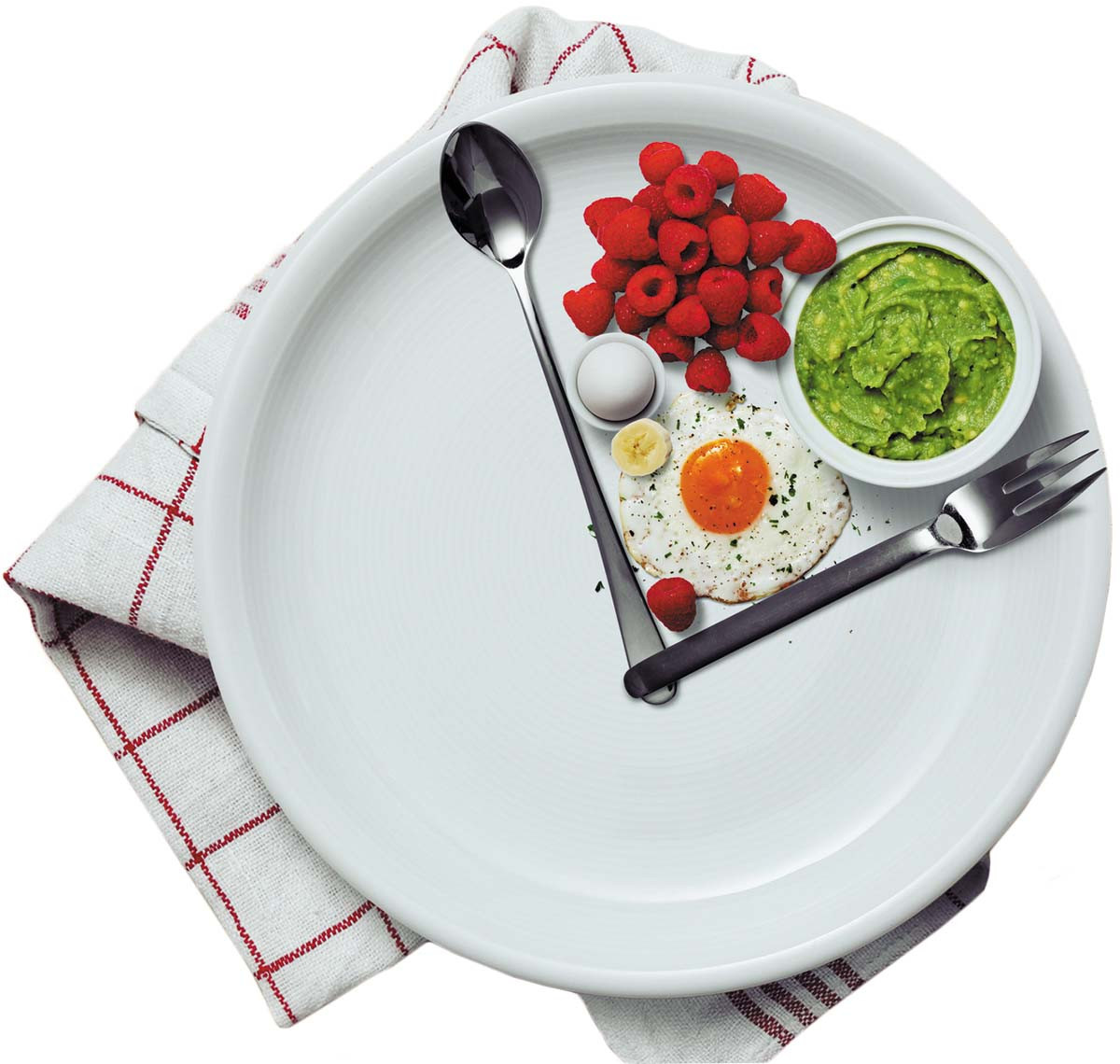
The scale said I lost 6 pounds. I was thrilled. Six pounds in 30 days! The internet was right. One meal a day was the secret. The fasting subreddits had promised me effortless fat loss, mental clarity, and autophagy — whatever that was — and I was seeing results. Then I got a DEXA scan. And the truth was uglier than my hunger pangs.
I'm Derek Armstrong. Yes, the same guy from dailyprotein.net, but this is a different experiment. I run fastingtool.org from San Diego, California, where the fitness trends arrive early and the science arrives late. I built this site because I tried OMAD — One Meal A Day — and learned that extreme fasting has extreme consequences. This story is about the muscle I lost chasing a number on the scale.
The OMAD experiment started in April 2026. I was 185 pounds, roughly 18% body fat, and I wanted to get lean for summer. I had done intermittent fasting before — 16:8, which meant skipping breakfast and eating between noon and 8 PM. That worked fine. But the OMAD crowd promised faster results. "Eat one massive meal a day," they said. "Your body will burn fat for 23 hours." It sounded efficient. It sounded hardcore. It sounded like something that would work.
The first week was miserable. I was hungry all the time. Not just "I could eat" hungry. "I would fight a raccoon for a french fry" hungry. I couldn't concentrate at work. I was irritable. I trained at the gym and felt weak, like my muscles had been replaced with wet noodles. But I told myself this was "adaptation." My body was learning to burn fat. The weakness was temporary. The gains were coming.
By week two, the hunger had dulled to a background noise. I was eating a massive dinner — roughly 2,500 calories in one sitting — and feeling stuffed for about an hour. Then the hunger returned. I was sleeping poorly, waking up at 3 AM with a growling stomach and a headache. My morning workouts were a disaster. My bench press dropped from 225 to 205. My squat dropped from 315 to 275. I told myself this was just a temporary dip. Deload week. Glycogen depletion. Any excuse that let me keep going.
The DEXA scan at day 30 was my wake-up call. I had lost 6 pounds total. But the composition was devastating: 4 pounds of lean mass (muscle), 1.5 pounds of water, and only 2 pounds of fat. I had lost twice as much muscle as fat. My body fat percentage had actually increased slightly, from 18% to 18.2%, because I had lost more muscle than fat. The scale said I was lighter. My body said I was weaker. And the mirror said I looked softer, not leaner.
The science is clear, and I should have known better. Muscle protein synthesis requires regular protein intake throughout the day. When you eat one meal, you get a massive spike of amino acids, but your body can only use so much at once — roughly 40-50 grams of protein per meal for muscle building. The rest is oxidized for energy or converted to glucose. By eating all my protein in one sitting, I was wasting most of it. My muscles were starving for 23 hours, then flooded for one hour. It was the nutritional equivalent of binge drinking.
The hormonal response was equally bad. Extended fasting raises cortisol, the stress hormone that breaks down muscle tissue. It also suppresses thyroid function, which slows metabolism. I was literally training my body to hold onto fat and burn muscle. The opposite of what I wanted. And the worst part? I felt like garbage the entire time. My energy was low. My mood was worse. My libido disappeared. I was a smaller, weaker, more irritable version of myself.
The 2026 fasting trend has only accelerated. Social media is full of before-and-after photos from people who did extended fasts. What they don't show is the muscle loss, the metabolic slowdown, and the rebound weight gain that happens when they start eating normally again. I gained back 4 pounds in two weeks after ending OMAD, and it wasn't muscle. It was water and fat, because my body was terrified of another starvation period and hoarded everything it could.
I switched back to a more moderate approach: three meals a day, adequate protein at each meal, a slight calorie deficit of 300-500 calories. Within a month, my strength returned. My sleep improved. My mood stabilized. And I started losing fat — actual fat, not muscle — at a rate of about a pound per week. Slower than OMAD, but sustainable. And the weight I lost stayed off.
I built the tools on this site because I needed a reality check. The fasting schedule planner helps you design a protocol that doesn't destroy your muscle. The muscle preservation checker calculates your protein needs across meals. The body composition tracker shows you what's really changing, not just what the scale says. These tools won't make you a fasting guru. But they might prevent you from becoming a smaller, weaker version of yourself.
If you're considering OMAD, ask yourself: what are you actually trying to lose? If it's fat, there are better ways. If it's muscle, OMAD will deliver. But if you want to keep your strength, your metabolism, and your sanity, eat more than once a day. Your muscles will thank you. And so will everyone who has to deal with you before dinner.
What did your last diet actually cost you — in muscle, energy, and sanity?
