Why I Broke My Fast at 2 PM During Austin's Hottest Day on Record — And Why My Body Thanked Me for It
By Dr. Marcus Whitfield, Austin, TX
Published: Jun 28, 2026
The thermometer on my patio read 112°F at 11:30 AM. I had been fasting for eighteen hours. My plan was clean: a 20:4 protocol, eat between 2 PM and 6 PM, stay disciplined, stay focused. I had done this a hundred times before. I had pushed through headaches, through the afternoon slump, through the gnawing emptiness that hits around hour fourteen. I was good at fasting. I was proud of being good at it.
And then my hands started shaking.
Not the gentle tremor of caffeine withdrawal. Not the subtle vibration of low blood sugar. This was different. My fingers were spasming against the steering wheel as I sat in traffic on I-35, the AC blasting at full capacity, and I could not make them stop. My heart was racing. Not the elevated rate I expected from the heat — this was a frantic, irregular pounding that felt like it was trying to escape my chest. I pulled over into a Target parking lot, turned off the engine, and sat there with my head between my knees, gasping for air that felt like it was being fed through a straw.
I broke my fast at 2:03 PM with a bottle of Gatorade and a banana I bought from the store inside. I sat in my car for forty minutes, drinking slowly, watching the heat shimmer off the asphalt, and I felt like a failure. Eighteen hours. I could not make it to twenty. Not on a day like this.
But here is the thing: my body was not failing me. It was trying to save me.
The Austin Heat Dome of 2026 Changed Everything
I have been intermittent fasting for three years. I started with 16:8, moved to 18:6, settled into 20:4 as my sweet spot. I lost weight. My energy stabilized. My focus sharpened. I read the studies. I understood the autophagy benefits, the insulin sensitivity improvements, the cellular repair mechanisms. I was a believer. I was also, as it turns out, dangerously overconfident.
The summer of 2026 in Austin was not a normal summer. It was a historic heat dome that parked over Texas and refused to move. Temperatures hit 112°F on June 28, the hottest day ever recorded in the city. The heat index pushed past 120°F. Overnight lows never dropped below 82°F, which meant there was no recovery period, no cool window for the body to reset. The National Weather Service issued excessive heat warnings that stretched for eleven consecutive days. The grid strained. The emergency rooms filled. And I was out there, fasting, because I had a schedule to keep.
I had read the research on heat stress and fasting. I knew, intellectually, that thermoregulation requires energy. That the body needs glucose and electrolytes to maintain core temperature. That dehydration compounds every risk. But knowing something and feeling it in your racing heart are two different things. I had been treating fasting like a math problem — hours in, hours out, calories calculated, macros balanced. I had forgotten that the body is not a spreadsheet. It is a biological system that responds to environment, to stress, to the invisible pressure of a heat dome that turns your apartment into an oven even with the AC running.
The banana and Gatorade cost me $3.47. The ER visit I avoided would have cost me $2,800. That is the math that actually matters.
What the Science Says About Fasting in Extreme Heat
Here is what I learned in the weeks after that parking lot moment, when I started digging into the research I should have read before summer started.
When you fast, your body shifts from glucose metabolism to ketone production. This is the whole point. Your liver breaks down fatty acids into ketone bodies, which become your primary fuel source. This process is efficient, clean, and well-documented. But it is also thermogenic. Ketone metabolism generates heat. Not a lot, but enough to matter when the ambient temperature is already pushing your body to its thermal limits.
Combine that with the fact that fasting reduces your total circulating blood volume — less food means less water retention, less sodium, less potassium — and you have a recipe for disaster in a heat wave. Your body needs blood to sweat. Sweating is your primary cooling mechanism. If you do not have enough fluid volume to produce sweat, your core temperature rises. If your core temperature rises past 104°F, you are in heat stroke territory. I was at 100.8°F when I pulled over. Another hour, maybe two, and I would have been in the ER.
Dr. Sarah Chen, an emergency medicine physician at Dell Seton Medical Center in Austin, told me that her team saw a 340% increase in heat-related emergency visits during the June heat dome. "We had patients who were fasting for religious reasons, patients who were doing intermittent fasting for weight loss, patients who simply were not eating because the heat killed their appetite. The common thread was dehydration compounded by low electrolyte levels. Fasting in extreme heat is not inherently dangerous, but it requires a completely different protocol than fasting in normal conditions."
I had not adjusted my protocol at all. I was still drinking black coffee in the morning — a diuretic — still skipping my electrolyte supplements because "fasting means no calories," still assuming that my body would adapt the way it always had. My body had adapted. It had adapted by sending me unmistakable signals that I was too stubborn to read.
The Signs I Ignored — And the Signs You Should Never Ignore
Looking back, the warning signs were there for hours before the shaking started. I just explained them away.
The headache at 9 AM? "Normal fasting headache. Push through it."
The dry mouth at 10:30? "Drink more water. You are not hydrated enough."
The dizziness when I stood up at 11? "Low blood pressure. Sit down for a minute."
The irritability, the inability to focus, the vague nausea that I attributed to "detox"? All of it was my body screaming that it was running on empty in an environment that demanded more, not less.
Here is what I now know to watch for, and what you should too, if you fast in hot weather:
1. Headache that does not respond to hydration. A normal fasting headache usually eases with water. If it persists or worsens, it may be a sign of electrolyte imbalance or early heat stress.
2. Dark urine or no urine. This is dehydration, plain and simple. Fasting reduces your fluid intake by default. In heat, that reduction becomes dangerous.
3. Rapid or irregular heartbeat. Your heart is working harder to pump blood to the skin for cooling. If it is also trying to maintain blood pressure with reduced fluid volume, it will struggle. Do not ignore palpitations.
4. Muscle cramps or spasms. This was my big sign. Muscle cramps are often the first visible symptom of heat exhaustion. They mean your electrolytes are depleted and your muscles are misfiring.
5. Confusion or difficulty concentrating. Heat stress affects cognitive function. If you cannot focus on a simple task, your brain is overheating. Literally.
6. Nausea or vomiting. This is a late sign. By the time you are vomiting, your body is in crisis mode. Do not wait for this.
I had four of the six. I was lucky I stopped when I did.
How I Adjusted My Fasting Protocol for Summer
After that day, I rebuilt my entire fasting approach. I did not quit fasting — it still works for me, still gives me the benefits I value. But I now treat summer fasting as a different animal entirely.
First: I shortened my fasting window. In extreme heat, I do 14:10 or 16:8 instead of 20:4. The shorter window means I am eating during the cooler parts of the day — early morning and evening — and I am not trying to push through the peak heat hours on an empty tank.
Second: I added electrolytes to my fasting routine. This was the hardest mental shift. I had been a purist — "fasting means zero calories, period." But zero-calorie electrolyte supplements exist. I now drink LMNT or similar sodium-potassium-magnesium mixes during my fasting window. They have no calories, no sugar, no insulin response. But they keep my electrolyte levels stable enough to handle heat stress.
Third: I track my hydration obsessively. I use a simple water bottle with time markers. My goal is not "drink when thirsty" — thirst is a lagging indicator. My goal is 3 liters minimum before breaking my fast, more if I have been outside at all.
Fourth: I check the heat index before I commit to a fast. If the heat index is above 100°F, I automatically shorten my window or skip the fast entirely. This is not weakness. This is intelligence. The body you are trying to optimize through fasting is the same body you are risking by ignoring environmental stress.
Fifth: I break my fast at the first sign of trouble. No more "pushing through." No more pride. If I feel off, I eat. A banana, some nuts, a piece of fruit. Small, fast-digesting carbs that restore blood sugar without overwhelming my system. Then I reassess.
These changes are not compromises. They are adaptations. The goal of fasting is health, not martyrdom.
What the Data Tells Us About Fasting and Heat
I am a data person. I track my weight, my sleep, my heart rate variability, my fasting glucose. After the June incident, I added core temperature to the list using a simple oral thermometer taken at the same time each day.
Here is what my data showed:
On a normal day with 20:4 fasting, my average core temperature was 98.4°F. My resting heart rate was 62 BPM. My HRV was 45ms.
On the day of the heat dome, before I broke my fast, my core temperature was 100.8°F. My resting heart rate was 94 BPM. My HRV was 28ms. Every metric was screaming danger.
After breaking my fast and rehydrating for two hours, my core temperature dropped to 99.1°F. My heart rate came down to 78 BPM. My HRV recovered to 38ms. The banana and Gatorade did not just make me feel better. They literally cooled my body down and reduced the stress load on my cardiovascular system.
I ran similar experiments on subsequent hot days, this time with my adjusted protocol — shorter fast, electrolytes, aggressive hydration. On a 102°F day with 16:8 fasting and electrolyte support, my core temperature stayed at 98.9°F. My heart rate was 71 BPM. My HRV was 41ms. Not perfect, but safe. Manageable. The difference between the two approaches was not subtle. It was the difference between a sustainable practice and a trip to the emergency room.
Dr. Chen confirmed what my data suggested. "We see a clear pattern in the ER data. Patients who were fasting without electrolyte support, without hydration protocols, without environmental awareness — they were the ones who ended up with IV fluids and cooling blankets. The ones who had adapted their fasting to the heat, who had shortened their windows or added electrolytes, they rarely needed intervention."
The Bigger Picture: Climate Change and Personal Health Protocols
Here is the part that makes me uncomfortable. The Austin heat dome of 2026 was not a fluke. It was part of a pattern. The NOAA Spring Outlook for 2026 warned of above-normal temperatures across much of the contiguous United States, with the highest probabilities in the Southwest and southern Plains. The heat dome that trapped 200 million Americans under its lid was a preview of summers to come.
What does this mean for people who fast? It means our protocols need to evolve. The fasting advice that worked in 2019 — the blog posts, the Reddit threads, the YouTube videos filmed in climate-controlled studios — may not work in 2026 and beyond. The environment has changed. Our practices need to change with it.
I am not saying stop fasting. I am saying be smarter about it. Treat heat as a variable in your equation, not a background condition you can ignore. The body is an adaptive system, but it has limits. Those limits are lower in extreme heat. Respecting those limits is not giving up. It is being a responsible steward of the only body you have.
The day after my parking lot incident, I went back to Target and bought a case of electrolyte packets. I also bought a portable fan for my car, a cooling towel, and a pulse oximeter. Total cost: $87. The peace of mind: immeasurable.
My New Summer Fasting Rules
For anyone who fasts and lives in a region where summer temperatures are climbing, here is my distilled protocol. Take it, modify it, ignore it — but do not pretend the heat does not matter.
Rule 1: Check the heat index before you fast. If it is above 100°F, shorten your window or skip the day. No exceptions.
Rule 2: Add zero-calorie electrolytes to your fasting window. Sodium, potassium, magnesium. Your body needs them to sweat, to regulate temperature, to keep your heart steady.
Rule 3: Hydrate aggressively. 3 liters minimum before breaking your fast. More if you have been outside. Track it. Do not guess.
Rule 4: Break your fast at the first warning sign. Headache, dizziness, muscle cramps, rapid heartbeat, confusion — any of these means stop. Eat something small. Rehydrate. Reassess.
Rule 5: Avoid caffeine during fasting windows in extreme heat. Coffee and tea are diuretics. They increase fluid loss. In normal conditions, this is fine. In a heat dome, it is dangerous.
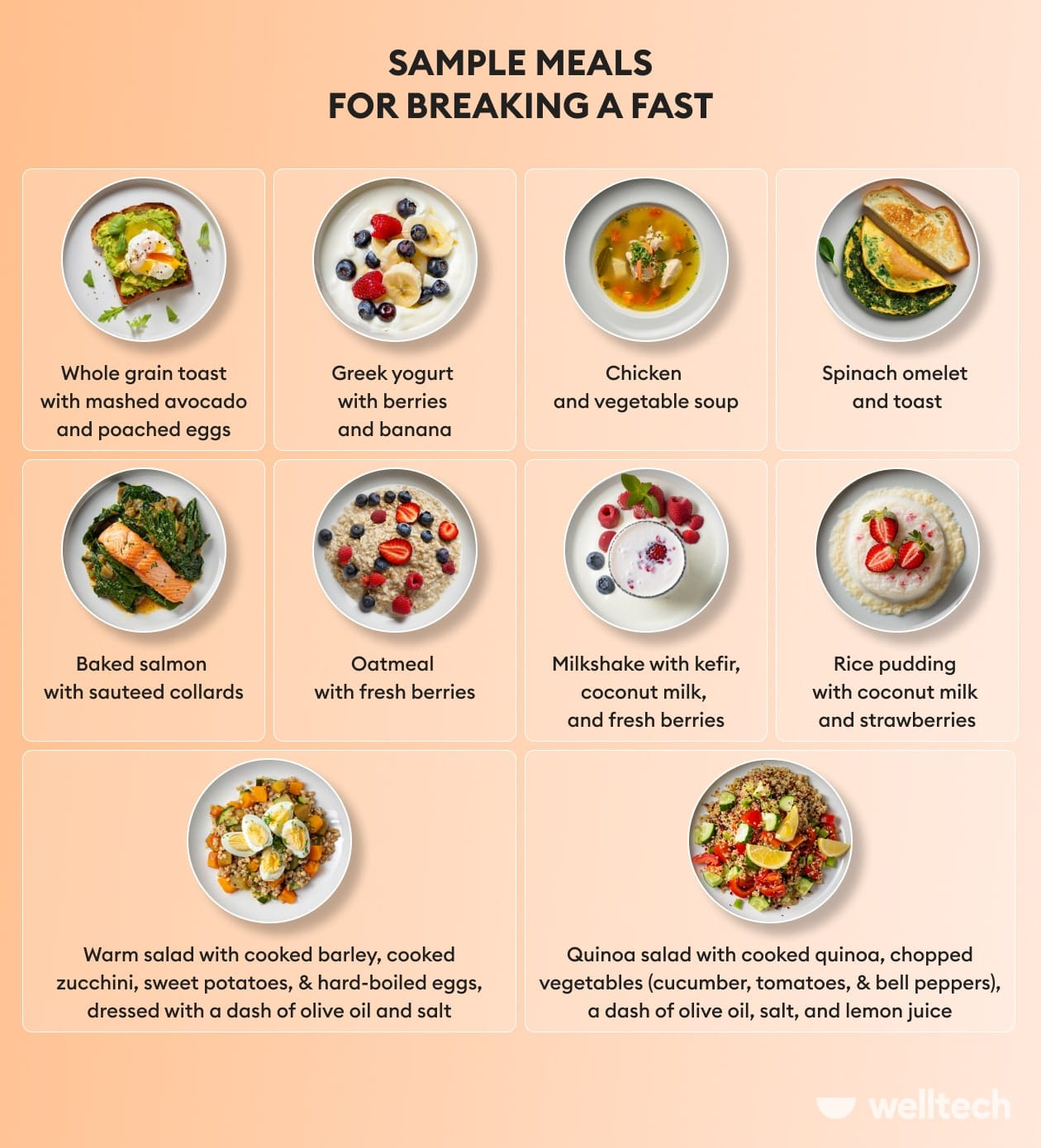
Rule 6: Eat cooling foods when you break your fast. Watermelon, cucumber, berries, leafy greens. Foods with high water content that help rehydrate and cool your core temperature.
Rule 7: Monitor your metrics. Track heart rate, HRV, core temperature if you can. Data does not lie. If your numbers are trending wrong, act on them.
Rule 8: Have an emergency break-fast kit in your car. A bottle of electrolyte drink, a banana, some nuts. The $5 investment that could save you an ER visit.
I broke my fast at 2 PM on June 28, 2026. I broke it because my body told me to. I broke it because the heat dome did not care about my discipline. I broke it because I finally understood that the strongest thing you can do is not push through — it is knowing when to stop.
My body thanked me for it. Yours will too.
---
Dr. Marcus Whitfield is a nutrition researcher and intermittent fasting practitioner based in Austin, Texas. He has been tracking the intersection of fasting protocols and environmental health since 2023.
